Fluxon Motor
In the rapidly evolving landscape of manufacturing, the "Plastic Gear Motor" stands out as a pivotal component. Dr. Emily Zhang, a leading expert in industrial automation, emphasizes its importance by stating, "The efficiency of a system often hinges on the quality of its plastic gear motors." This insight highlights the essential role these motors play in enhancing productivity and performance across various applications.
Plastic gear motors are increasingly favored for their lightweight design and cost-effectiveness. They offer versatility, making them suitable for diverse sectors, from robotics to automotive industries. This growing trend is marked by a demand for high-quality products that meet global standards. However, not all plastic gear motors are created equal. Buyers face challenges in identifying reliable manufacturers that provide durable and efficient solutions.
As we delve into the best options for global buyers, it’s crucial to consider not just functionality but also the reputation of manufacturers. The market is filled with choices, yet discerning the right one can be complex. Navigating through this landscape requires both knowledge and careful consideration to ensure investments yield satisfactory results in the long run.
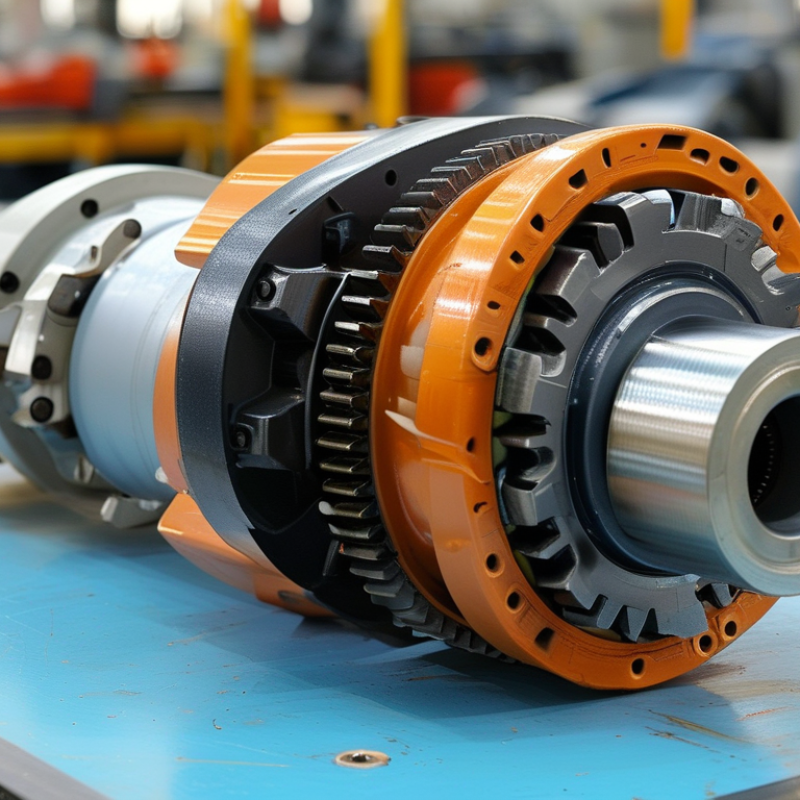
Plastic gear motors have become increasingly popular in various industries in China. These motors are known for their lightweight design and efficiency. They combine a motor and gear assembly, allowing for compact integration into different applications. This is crucial in sectors like robotics, automation, and consumer electronics.
China's manufacturing capabilities have made significant advancements in producing durable plastic gear motors. However, there are some areas for improvement. While many products meet basic standards, variations in quality can be a concern. Buyers must conduct thorough research to ensure reliability. Despite these challenges, the potential for innovation in plastic gear motor technology is promising. New materials and designs may enhance performance and decrease costs over time. Companies need to address these quality control issues to foster trust among global buyers.
Plastic gear motors are essential in various applications. Several manufacturers in China lead the market with innovative solutions. Their focus is on producing reliable and cost-effective products. They serve industries like robotics, automotive, and consumer electronics. These sectors require motors that are durable and efficient.
Many companies emphasize quality control and advanced technology. They invest in research and development. This commitment enhances performance and reliability. However, the competition is fierce. As a result, some manufacturers may overlook quality for faster production. This can lead to issues that affect long-term performance.
Buyers should carefully evaluate their options. Analyzing specifications and performance metrics is crucial. It’s also wise to consider customer feedback. Reliability is key in selecting a manufacturer. Collaboration often leads to better understanding and customization. Not every option will meet all needs perfectly. Therefore, careful consideration is essential for making informed decisions.
| Manufacturer | Motor Type | Voltage (V) | Gear Ratio | Power (W) | Torque (Nm) | Application |
|---|---|---|---|---|---|---|
| Manufacturer A | DC Gear Motor | 12 | 100:1 | 30 | 0.5 | Robotics |
| Manufacturer B | Micro Gear Motor | 6 | 200:1 | 10 | 0.2 | Automated Tools |
| Manufacturer C | Planetary Gear Motor | 24 | 50:1 | 50 | 1.0 | Industrial Machinery |
| Manufacturer D | Stepper Gear Motor | 48 | 20:1 | 100 | 1.5 | 3D Printers |
Plastic gear motors are gaining popularity among global buyers for various reasons. Their lightweight design is a significant advantage. Weighing less than metal counterparts, they ease the burden on equipment. This lightweight feature also ensures energy efficiency, making operations smoother and more cost-effective. These motors reduce wear and tear, prolonging lifespan and cutting maintenance costs.
Another critical feature is their resistance to corrosion. In many environments, corrosion can lead to equipment failure. Plastic gear motors, however, thrive under harsh conditions. They perform reliably in moisture-rich settings, maintaining quality. This durability translates into better performance in diverse applications, from robotics to consumer electronics.
There are challenges to consider, though. While they are robust, some users express concerns about their heat resistance. High temperatures can impact performance. A thorough understanding of operational limits is essential. Users should assess specific needs and conditions before choosing these motors. This reflection is crucial to avoid pitfalls and maximize advantages.
Plastic gear motors are increasingly popular in various industries due to their lightweight nature and versatility. They play a crucial role in applications such as robotics, automotive, and packaging. In robotics, these motors provide smooth movement and precise control. The lightweight design allows for agile performance, making them ideal for drones and robotic arms.
In the automotive sector, plastic gear motors are used in power windows, seat adjustments, and mirrors. Their durability and resistance to corrosion are significant advantages. In packaging, these motors drive conveyor systems and automated packaging machines, enhancing efficiency. They can withstand the rigorous demands of high-speed operations, which is essential for meeting consumer needs.
While plastic gear motors offer many benefits, there are challenges to consider. Heat generation and wear over time can affect performance. Proper maintenance is crucial for longevity. Additionally, selecting the right motor for specific applications remains essential for optimal functionality. These factors require ongoing evaluation and adjustment.
Choosing the right plastic gear motor is crucial for efficiency and performance. Look for motors that offer adequate torque and speed for your specific application. Check the material quality. Durable plastics can withstand various environments and loads. Weight is also an important factor; lighter motors can improve overall design flexibility.
Take time to evaluate your power needs. Analyze the voltage and current ratings for optimal performance. It’s wise to look at the motor's dimensions. Compact designs can save space but may compromise power. Also, consider the noise level of the motor. Some operations require quieter options.
Understand that selecting a motor is not just about specs. Manufacturers' reliability matters too. Research reviews and performance history. Don’t rush into a decision. Testing a few units can yield insights into their real-world performance. Reflect on how these motors fit into your larger project. The right choice can enhance your entire system’s function.
: Plastic gear motors are used in robotics, automotive, and packaging industries.
Their lightweight design reduces the burden on equipment.
They promote smoother operations and can lower energy costs.
Yes, they perform well in moisture-rich environments, resisting corrosion.
Some users worry about their heat resistance at high temperatures.
It ensures reliability and long-term performance, which can sometimes be overlooked.
They reduce wear and tear, leading to lower maintenance costs.
Buyers must analyze specifications and consider customer feedback carefully.
The packaging sector uses these motors for conveyor systems and packaging machines.
Regular maintenance is crucial to prevent performance degradation over time.
Plastic gear motors are increasingly recognized for their versatility and efficiency, making them a preferred choice among global buyers. This article provides an overview of the plastic gear motor landscape in China, identifying key manufacturers and highlighting the unique features and benefits these motors offer. Notably, plastic gear motors are known for their lightweight design, resistance to corrosion, and cost-effectiveness, making them suitable for various applications across multiple industries.
The article further explores application areas, demonstrating how plastic gear motors find their place in sectors such as robotics, automotive, and consumer electronics. For those looking to invest in plastic gear motors, valuable tips are provided to help select the right motor tailored to specific needs, ensuring performance and reliability in diverse applications. Overall, the insights offered serve to guide global buyers in making informed decisions in their procurement processes.
