Fluxon Motor
The Other Gear Motor is an essential component in various mechanical systems. Understanding its functionality is crucial for engineers and hobbyists alike. These motors typically combine gears, providing greater torque than standard motors. This unique construction makes them suitable for applications requiring precise movement.
Many industries rely on the Other Gear Motor for automation. From robotics to conveyor systems, it plays a vital role in enhancing efficiency. However, its complexity may lead to challenges in understanding its operation fully. Some users might find it daunting to choose the right type. Despite its advantages, mistakes can occur if the specifications are misunderstood.
Knowledge about the Other Gear Motor is necessary for reliable operation. Users should be aware of the torque requirements and speed ratios. Exploring different models and their applications can provide deeper insights. Yet, the learning process may include trial and error. Engaging with practical experiences often reveals the motor’s true capabilities and ideal use cases.
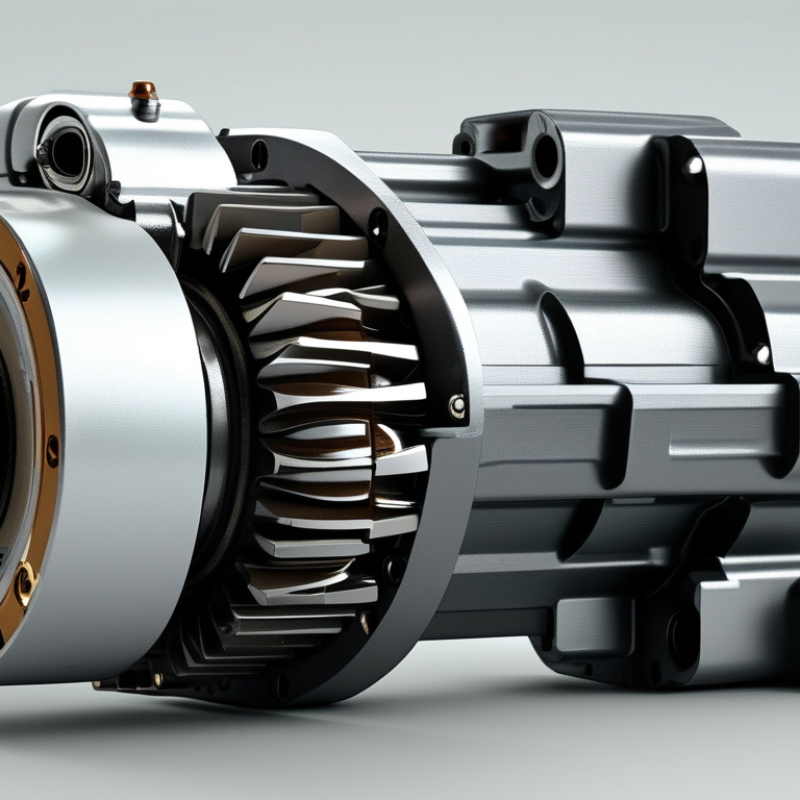
Other gear motors are essential components in various mechanical systems. They combine a motor and gear assembly, allowing for efficient power transmission and speed reduction. This integration enables the motor to deliver high torque while maintaining a compact size. Understanding their function is crucial for many applications, from robotics to automotive systems.
At their core, other gear motors work by altering the output speed and torque through a series of gears. These gears can vary in size, allowing for customization based on specific requirements. The interaction between the motor and gears creates different mechanical advantages. This configuration can result in optimized performance. However, while they are efficient, they may also present design challenges related to backlash and maintenance.
Gear motors often face scrutiny regarding their reliability and durability. In some situations, they can experience wear and tear, leading to performance issues. Users must regularly assess their condition to ensure longevity. Balancing the mechanical load and operating environment is vital for maximizing efficiency. By evaluating these factors, operators can make informed decisions about their usage and maintenance practices.
Other gear motors are essential components in various applications. These motors combine the features of an electric motor and a gear reducer, enhancing torque while reducing speed. They are widely used in robotics, conveyors, and packaging industries. Understanding the key components of these motors helps in maximizing their efficiency.
The primary components include the motor itself, gears, housings, and bearings. The motor converts electrical energy into mechanical energy. Gears play a crucial role in torque multiplication. Proper gear selection affects performance and lifespan. Housings provide protection and support for internal components. Bearings reduce friction, allowing smooth operation. Research indicates that a well-designed gear motor can achieve up to 90% efficiency under optimal conditions.
A key consideration is the mismatch between motor output and load requirements. This can lead to overheating or wear. Users should calculate load specifications carefully to avoid such issues.
Proper maintenance is vital for longevity. Regularly check for lubrication and wear on gears and bearings. Replace damaged components promptly to prevent further damage. Employing monitoring systems can help in identifying potential failures early.
Other gear motors are essential components in various industrial applications. They combine a gearbox and an electric motor. Their primary function is to convert electrical energy into mechanical energy. This conversion occurs through a series of gears that help increase torque while reducing speed. The design of gear motors optimizes efficiency, ensuring smooth operation even under pressure.
Understanding their principle of operation is vital. The motor generates rotational motion, which is transferred to the gearbox. Here, the gear ratios determine how much the output torque gets amplified. The gear design influences the motor's responsiveness and overall performance. Often, these motors are found in robotics, conveyor systems, and automated machinery. They provide reliable performance, enhancing productivity in manufacturing settings.
Consider the environment where the gear motor operates. Factors like temperature, humidity, and dust can affect performance. Regular maintenance checks are crucial to ensure longevity. Observing any unusual noises or vibrations can help detect potential issues early. A key to reliability is understanding that even the best systems require occasional attention.
| Parameter | Description |
|---|---|
| Type of Gear Motor | Other Gear Motor is a type of gear motor that is used in various applications where standard gear motors may not be suitable. |
| Operating Principle | It operates by converting electrical energy into mechanical energy through the interaction of gears and a motor. |
| Common Applications | Used in robotics, conveyor systems, automation machinery, and automotive applications. |
| Advantages | High torque output, compact design, and versatility in various environments. |
| Maintenance | Requires regular lubrication and inspection for wear and tear to ensure long-term functionality. |
| Power Supply | Typically runs on DC or AC power supply, depending on the motor design. |
Other gear motors play a crucial role in various industries, providing efficient power transmission and precise control. In manufacturing, these motors drive conveyor systems, assembly lines, and packaging equipment. Research indicates that the global gear motor market is expected to grow significantly, projected to reach $23 billion by 2026. This growth highlights the increasing reliance on gear motors in automation processes.
In the automotive sector, other gear motors are instrumental in applications like steering systems, window lifts, and seat adjustments. A report from the International Energy Agency notes that electric vehicle production is expected to increase, pushing demand for reliable gear motors. These motors must adapt to high performance and reliability standards, showcasing their importance in modern vehicle design.
The food and beverage industry also benefits from other gear motors. They are used in mixing, blending, and bottling processes. With hygiene being crucial, these motors must comply with stringent safety standards. This presents an ongoing challenge for manufacturers to deliver motors that meet both operational and regulatory demands. The balance between performance and compliance remains a topic for continuous improvement in this sector.
Other gear motors, often used in various applications, come with distinct advantages and limitations. These motors are designed to convert electrical energy into mechanical energy. They offer high torque at low speeds, making them ideal for heavy machinery and transportation devices. According to a recent industry report, the global gear motor market is expected to grow by 5% annually through 2025. This reflects a strong demand for efficient power transmission solutions.
While the benefits are notable, there are drawbacks to consider. Other gear motors can be bulky and heavier than alternatives, which may limit their use in space-constrained applications. Additionally, they may generate more noise compared to traditional motors. A study from the International Association of Mechanical Engineers highlights that improper installation can lead to a 15% decrease in overall efficiency.
For optimum performance, regular maintenance is crucial. Lubricating the gears can extend the lifespan of the motor. Ensure you use the suitable lubricant recommended for your application. Pay attention to possible overheating issues, as this can drastically shorten the motor's operational life. When evaluating whether to use other gear motors, weigh the specific needs of your project against these potential limitations.
: Other gear motors combine motors and gear assemblies for efficient power transmission and speed reduction.
They alter output speed and torque using various gear sizes, providing mechanical advantages for optimized performance.
Key components include the motor, gears, housings, and bearings, which work together to enhance performance.
Regular maintenance prevents overheating and wear, ensuring longevity and optimal performance in mechanical systems.
Other gear motors are used in manufacturing, automotive, and food industries for precise control and efficient operation.
Users must carefully assess the motor output and load requirements to avoid overheating or performance issues.
They may encounter issues such as wear, tear, and design challenges related to backlash and maintenance.
Compliance with safety standards ensures hygiene and operational reliability, critical in the food and beverage industry.
Monitoring systems assist in identifying potential failures early, aiding in proactive maintenance and performance management.
The global gear motor market is projected to grow significantly, driven by automation and electric vehicle production demands.
The article "What is Other Gear Motor and How Does It Work?" provides a comprehensive overview of Other Gear Motors, defining their essential characteristics and operational principles. Other Gear Motors are integral in various applications across multiple industries, thanks to their core components, which include gears, motors, and control systems. These devices convert electrical energy into mechanical energy while providing high torque and efficient speed regulation.
The functionality of Other Gear Motors lies in their ability to reduce speed while increasing torque, making them ideal for applications that require precise motion control. Their versatility is evidenced by their utilization in sectors ranging from manufacturing to robotics. While they offer significant benefits, including enhanced efficiency and reliability, some limitations, such as size constraints and maintenance needs, must also be considered. Overall, Other Gear Motors are essential components in modern machinery, facilitating advancements in automation and technology.
