Fluxon Motor Fluxon Motor

Top 10 Motor Applications for Global Buyers in 2026?

Time:2026-08-19 Author:Sophia
0%

In 2026, the landscape of motor applications will evolve significantly. As industries embrace new technologies, understanding these applications becomes critical for global buyers. Motor applications will shape various sectors like manufacturing, transportation, and renewable energy.

Electric motors will dominate the market. They offer efficiency and sustainability. However, buyers must consider their specific needs. Not all applications are universally suitable. Some industries may struggle with implementation. The choice of motor type is essential for optimizing performance.

Furthermore, the rise of smart technology will impact motor applications. Incorporating IoT devices can enhance efficiency. Yet, integrating these innovations poses challenges. Buyers must weigh costs versus benefits. Awareness of trends is essential for informed purchasing decisions. It’s a complex environment, requiring careful evaluation.
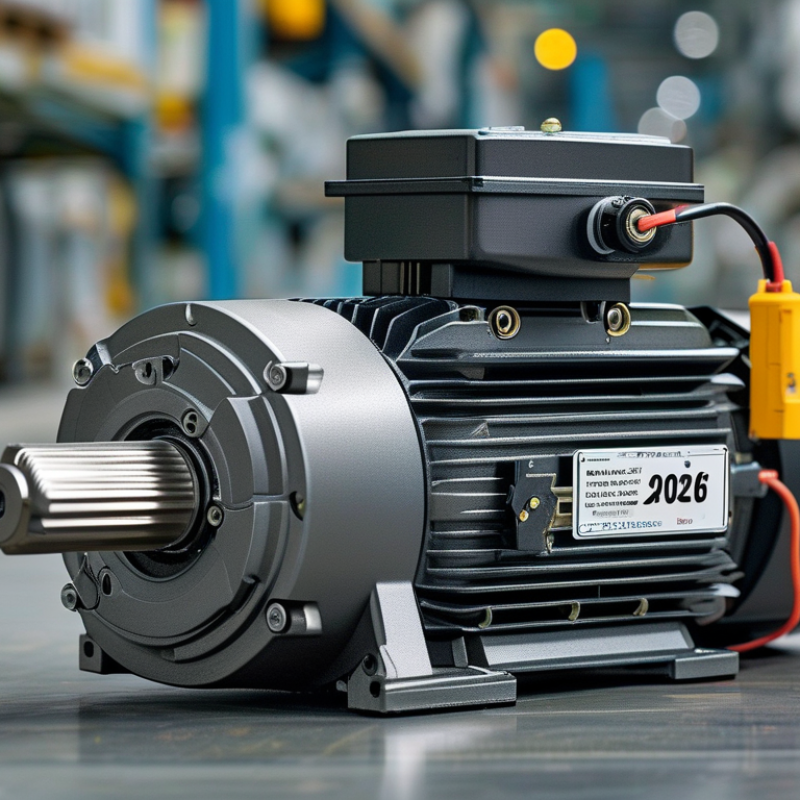
Top 10 Motor Applications for Global Buyers in 2026?

Top 10 Motor Applications for Global Buyers in 2026

As global industries evolve, motor applications are gaining traction. By 2026, the demand for electric motors is expected to reach approximately 150 billion USD. This represents a compound annual growth rate (CAGR) of around 6.2% from 2021 to 2026. Such growth reflects an increasing reliance on energy-efficient technologies across various sectors.

The automotive sector is projected to dominate the market. Electric vehicles (EVs) are set to surge, driven by stricter emission regulations. Automakers are expected to invest heavily in electric drivetrains. By 2026, it is estimated that 40% of new vehicles will be electric. However, this transition is not without challenges. Infrastructure and supply chain issues may hinder progress.

Another significant area is industrial automation. Manufacturers are adopting smart motors to improve efficiency. In fact, the industrial segment could account for over 50% of motor sales. However, integrating advanced technologies requires skilled workers. Finding qualified personnel remains a pressing issue. Addressing these gaps is essential for sustainable growth in motor applications.

Overview of Global Motor Market Trends and Predictions

The global motor market is evolving rapidly. Recent reports indicate a projected growth rate of 5.5% CAGR by 2026. This trend is fueled by increasing automation in industries and a shift towards energy-efficient solutions. Motors play a critical role in reducing energy consumption and operational costs. Expect more industries to adopt smart motors that integrate IoT technology for better performance.

In 2026, sectors like automotive, aerospace, and HVAC are expected to dominate motor applications. For instance, the automotive industry is expected to invest heavily in electric vehicles, driving demand for high-efficiency motors. Moreover, advancements in robotics will boost the manufacturing sector, necessitating more precision motors and control systems.

Tips: When selecting motors, consider energy efficiency ratings. Higher efficiency can lead to significant cost savings. Additionally, keep an eye on emerging technologies like AI in motor control systems. These innovations promise improved reliability and performance. Adapting quickly to these changes will be essential for staying competitive in the global market.

Top 10 Motor Applications for Global Buyers in 2026

Application Market Share (%) Growth Rate (2021-2026) (%) Key Trends
Industrial Automation 25.5 8.2 Increased efficiency, IoT integration
Transportation 20.1 7.5 Electrification trends, automation
HVAC Systems 15.7 6.8 Energy efficiency, smart controls
Consumer Electronics 12.3 5.9 Miniaturization, connectivity
Renewable Energy 10.9 10.5 Sustainability focus, grid integration
Agriculture 9.5 4.2 Automation in farming, precision agriculture
Healthcare Equipment 8.1 6.0 Innovations in surgical tools, patient monitoring
Aerospace 7.3 5.3 Lightweight materials, fuel efficiency
Robotics 4.2 9.0 Advancements in AI, precision
Mining & Minerals 3.5 3.5 Equipment automation, digital transformation

Innovative Technologies Shaping Motor Applications in 2026

Innovative technologies are transforming motor applications across various industries. As we look toward 2026, advancements in electric motors will play a crucial role in enhancing efficiency. Designs are becoming more compact, and integration with smart systems is increasing. These developments allow for faster operation and reduced energy consumption.

The rise of automation in manufacturing is a key factor here. Motors now need to respond quickly to real-time data. This requires better control systems and improved communication capabilities. Integration with IoT devices is also reshaping how motors operate in smart factories. Enhanced connectivity facilitates predictive maintenance, minimizing downtime and maintenance costs.

Despite these advancements, some challenges remain. The materials used in motor manufacturing are evolving, but sourcing them sustainably is complex. Balancing performance with environmental impact requires ongoing research. Innovations in battery technology and energy efficiency must also align. As these technologies progress, industries will need to adapt to changes and rethink traditional practices.

Industry-Specific Motor Applications: Automotive, Aerospace, and More

The automotive industry is rapidly evolving. Electric vehicles are gaining momentum. Motors play a crucial role in this shift. These electric motors require innovation and efficiency. They need to be lightweight yet powerful. As consumer demands increase, manufacturers face pressure to enhance performance.

Aerospace applications are equally demanding. Precision and reliability are paramount in this field. Motors must withstand extreme conditions. The focus is on energy efficiency and reduced weight. Engineers are exploring advanced materials to improve durability. This industry pushes the boundaries of technology. Yet, challenges in meeting regulatory standards remain.

In the industrial sector, automation trends drive motor development. Robotics and smart factories require reliable motor applications. They need real-time feedback systems for optimal performance. However, integrating these technologies can be complex. Companies must navigate compatibility issues while aiming for innovation. Balancing cost with quality further complicates the landscape.

Sustainability and Energy Efficiency in Future Motor Designs

As the world moves toward sustainable practices, motor applications must adapt. Future designs will prioritize energy efficiency. Manufacturers are exploring innovative materials and advanced technologies. These changes aim to reduce carbon footprints significantly.

Incorporating renewable energy sources will enhance sustainability. Electric motors are becoming more common in various sectors. Smart motor systems will play a crucial role in optimizing energy use. They will adjust performance based on real-time data, ensuring efficiency.

However, achieving these goals is challenging. Balancing performance with environmental impact requires continuous improvement. Manufacturers must invest in research and development. Collaboration across industries will be essential to drive meaningful progress. The future of motor applications hinges on a shared commitment to sustainability.

Key Players and Market Leaders in Motor Technologies by 2026

As we look ahead to 2026, the landscape of motor technologies is evolving rapidly. Key players in the industry are focusing on innovation and sustainability. Companies are developing high-efficiency motors with lower environmental impacts. Electric motors are expected to dominate the market due to their efficiency and growing demand in automation.

The competition is fierce among companies. Many manufacturers are investing heavily in research and development. They aim to enhance performance while reducing costs. Emerging trends include the integration of IoT technology in motors for better monitoring and control. Businesses need to stay agile in this dynamic environment.

Challenges remain, such as supply chain disruptions and fluctuating raw material prices. As manufacturers strive for excellence, the industry faces pressure to meet rising global standards. Buyers are encouraged to stay informed and engage with reliable suppliers. Understanding the market leaders is essential for making informed decisions.

Top 10 Motor Applications for Global Buyers in 2026

FAQS

: What is the projected demand for electric motors by 2026?

: The demand is expected to reach around 150 billion USD by 2026.

Which sector is expected to dominate the motor market?

The automotive sector, especially electric vehicles, is projected to lead the market.

What percentage of new vehicles is estimated to be electric by 2026?

It is estimated that 40% of new vehicles will be electric by 2026.

What challenges does the automotive sector face?

Infrastructure and supply chain issues may hinder the transition to electric vehicles.

How are manufacturers improving industrial automation?

Manufacturers are adopting smart motors to enhance efficiency and productivity.

What percentage of motor sales could the industrial segment account for?

The industrial segment could account for over 50% of total motor sales.

What issue do manufacturers face regarding skilled personnel?

Finding qualified workers for integrating advanced technologies is a pressing challenge.

How are companies striving for efficiency and sustainability?

Key players are developing high-efficiency motors with reduced environmental impacts.

What challenges do manufacturers face in the motor industry?

Supply chain disruptions and fluctuating raw material prices create significant challenges.

Why is it important for buyers to engage with reliable suppliers?

Staying informed and understanding market leaders helps buyers make better choices.

Conclusion

The article "Top 10 Motor Applications for Global Buyers in 2026" provides a comprehensive overview of the evolving global motor market. It outlines key trends and predictions, emphasizing the innovative technologies that are set to shape motor applications in diverse industries such as automotive and aerospace. The article further highlights the increasing importance of sustainability and energy efficiency in future motor designs, which are crucial for meeting evolving regulatory standards and consumer demands.

Additionally, it explores industry-specific motor applications, demonstrating how tailored solutions can drive efficiency and performance across various sectors. The piece concludes by identifying key players and market leaders in motor technologies that are influencing the landscape by 2026. Overall, this summary underscores the significant advancements and considerations surrounding motor application in the coming years, making it crucial for global buyers to stay informed.

Sophia

Sophia

Sophia is a dedicated marketing professional with an exceptional depth of knowledge about her company's products and services. With a keen understanding of market trends and customer needs, she crafts insightful blog posts that not only inform but also engage readers, enriching the company’s online......